First steps
1969. While the world watched the Moon landing, I was a 13-year-old dreaming big—my own way.
I was already thinking about my first job. I still remember the watch my parents gave me, and how, on impulse, I traded it for a risky adventure: partnering with a stranger and his ice-cream cart.
When my parents found out, they didn’t scold me. They saw an eager young entrepreneur—and helped redirect that energy toward my first real job.

My first experience in the job market
In the first chapter, I shared my earliest steps. Now I want to remember my entry into the job market.
In 1970—when Brazil became three-time world champion—I got my first job as an office boy at 'Roupas Profissionais Primor' in Itaim, São Paulo.
The office was a new world. I followed the sales flow, watched negotiation techniques, improved my typing, and soon was promoted to office assistant.

The birth of Ideal Work
After my first contact with the textile market, I never stopped.
In 1974, together with my cousin, we turned a garage in Leopoldina, São Paulo into a uniform workshop. I still remember the sound of the Singer machines.
With clear goals and an initial client base, we built our own brand. That’s how Ideal Work was born—on October 24, 1974, with six employees, marking a new chapter in our lives.
Landing our first major order
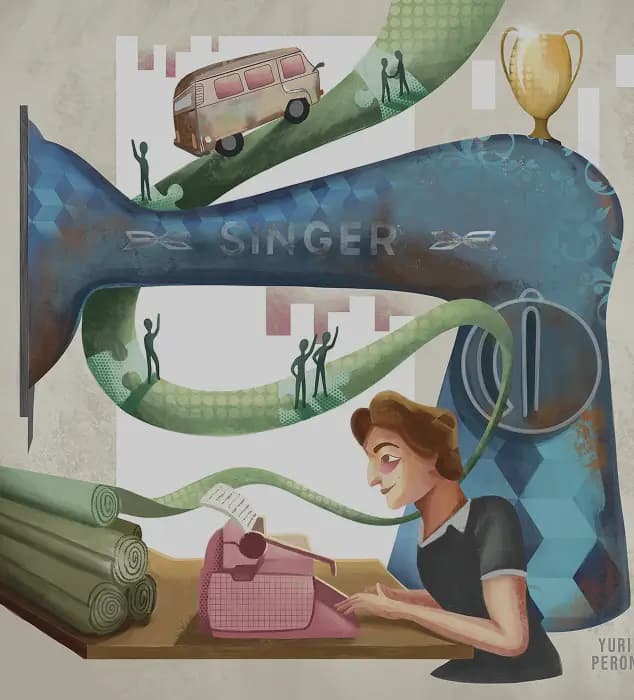
In 1975 we faced a challenge that could change our future: an order for eight thousand lab coats from Tintas Wanda.
That order allowed us to invest in new machines and expand. The garage began to feel too small, and growth demanded a bigger space.
That same year I bought my first car: a yellow Beetle—more than transportation, a symbol of progress.
Goodbye, garage: time to expand
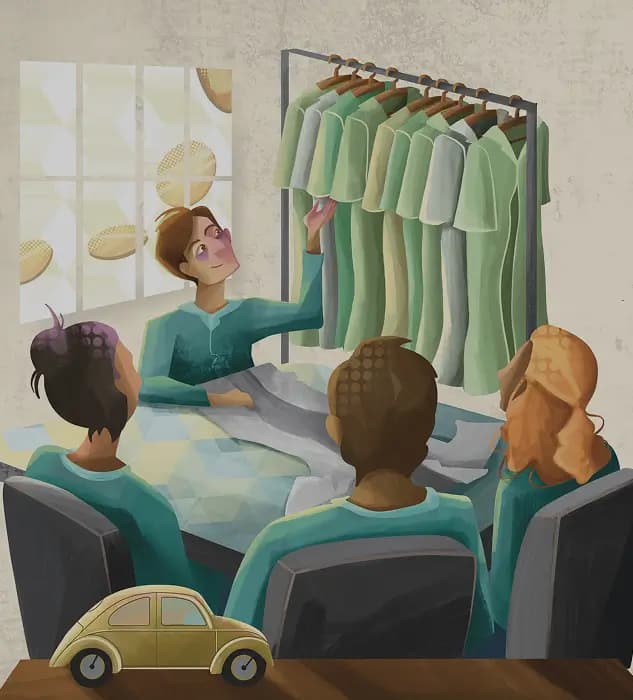
1976 was another turning point. After two intense years in the garage where our dreams began, we moved to a larger space in Pirituba.
That year we became a certified manufacturer for Santista, Brazil’s leading uniform fabric maker—raising our standing and opening doors that once seemed out of reach.
It was also a year of new challenges and learning that strengthened the foundations for our next steps.
The first warehouse and the truck
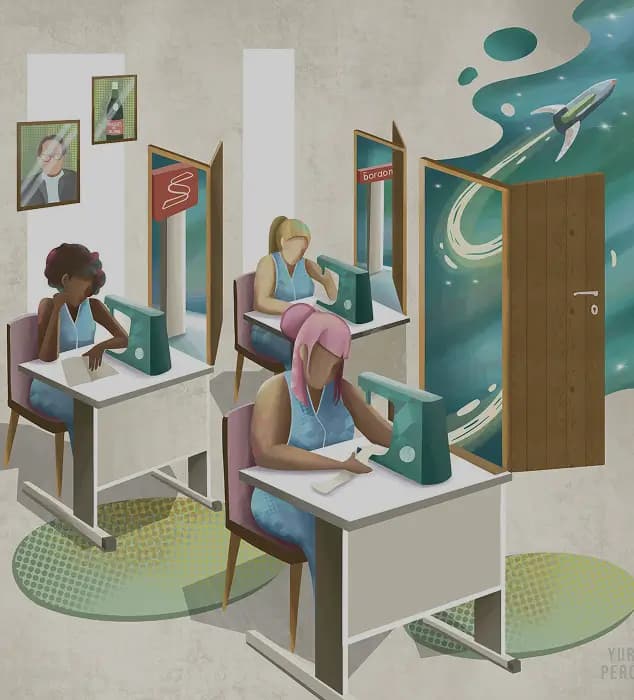
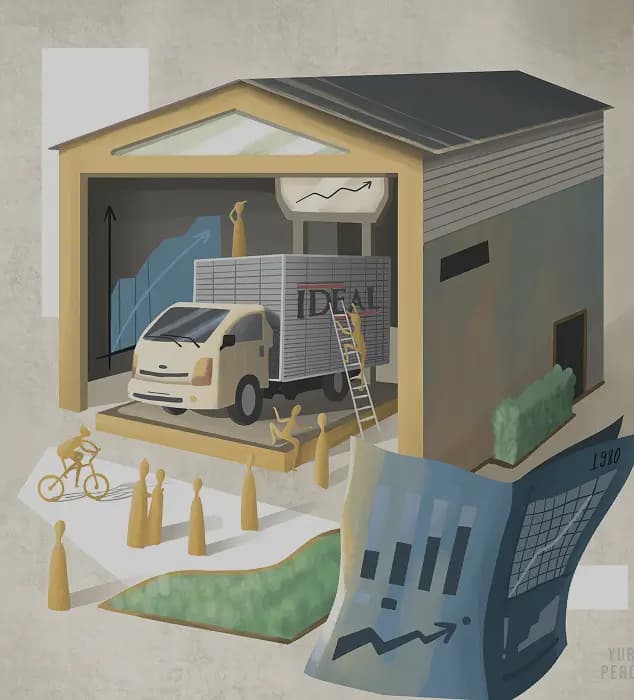
In 1980 we moved again—this time from Pirituba to a 2,200 m² warehouse in Lapa. Even in what many called the 'lost decade', we kept growing.
The change was not only physical: it represented a structural and operational leap, enabling us to serve larger orders.
One milestone I’ll never forget was buying our first box truck, a key tool to support expansion.
The Night Line and market consolidation
In the mid-1980s, Brazil faced severe economic crisis. For Ideal Work, it was also a chance to reinvent ourselves.
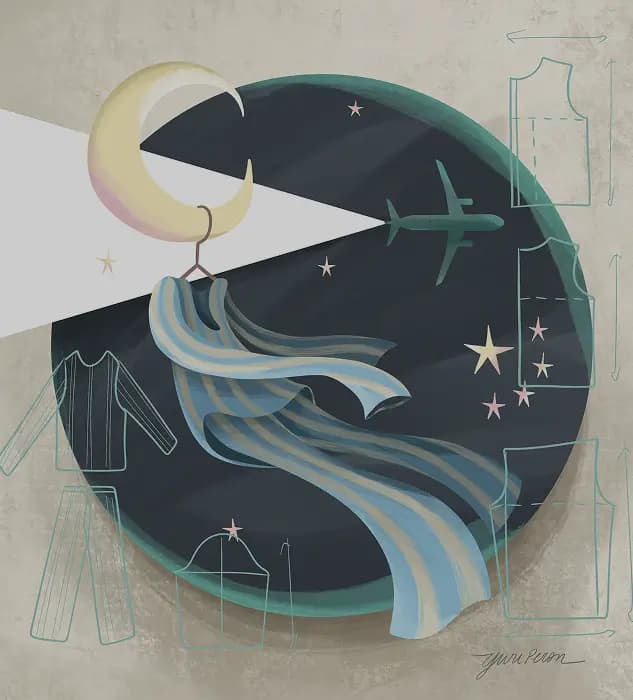
Between 1985 and 1986, I decided to diversify by launching our Night Line sleepwear collection.
It expanded our customer base and positioned us in a new segment, bringing innovation and helping consolidate our presence in the market.
Growth and innovation in the 1990s
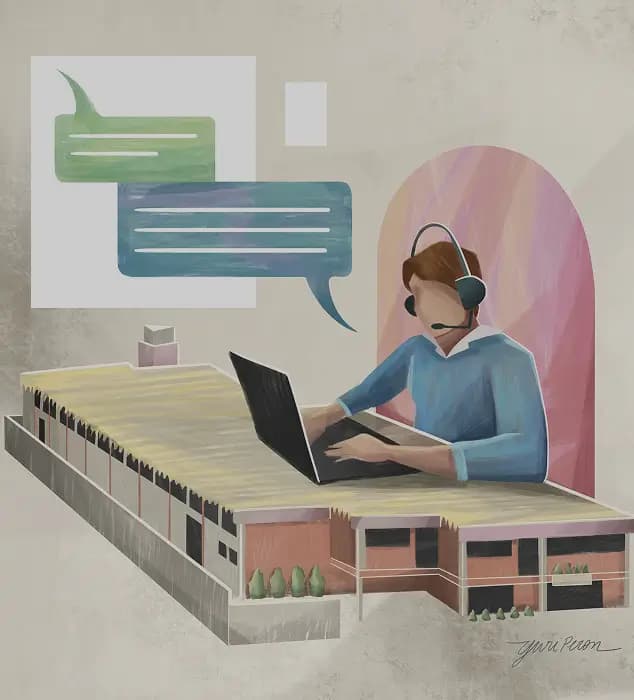
In 1991 I made one of the boldest decisions of my journey: moving to a new, high-standard building in Jandira, near São Paulo.
With 5,000 m² built area, we increased capacity to 8,000 pieces per day and produced over 2 million pieces a year. We also grew to more than 300 employees.
By then, we were leaders in men’s sleepwear, and the structure prepared us to meet growing demand.
Corporate uniforms and new horizons
In the early 2000s, Ideal Work faced significant challenges and transformations. The textile market was undergoing drastic changes, with major retailers in Brazil, such as Mesbla, Mappin, and Riachuelo, facing difficulties, directly impacting various sectors, including textiles. In response to this challenging scenario, Ideal Work made the difficult decision to exit the large department store segment and seek new growth opportunities.
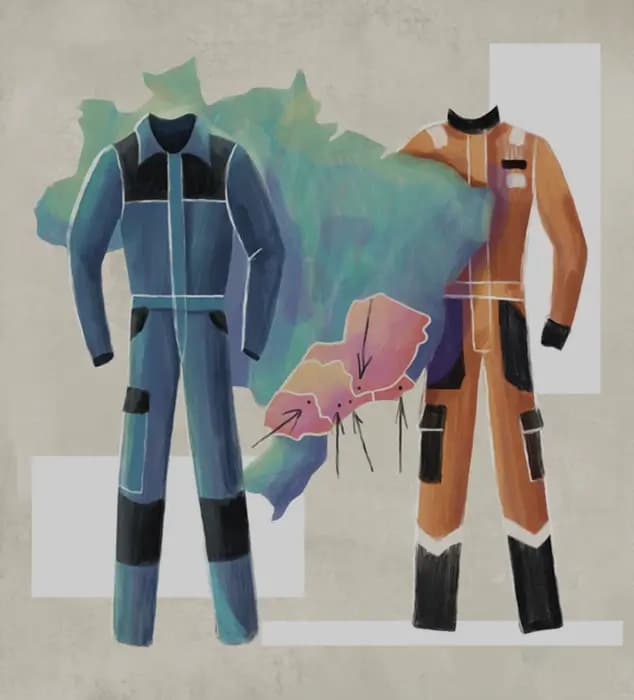
In 2005, we took an important step with our entry into the corporate uniform market through the acquisition of Duplo R. This acquisition allowed us to expand the company's portfolio and win clients such as Tramontina, Hospital Albert Einstein, Boticário, among others.
In 2011, continuing our pursuit of innovation, we expanded our line of protective clothing with the development of the FR (flame-resistant) coverall. Always at the forefront, Ideal Work continues to anticipate market trends and needs, guided by a continuous commitment to quality, innovation, and environmental responsibility.
Celebrating half a century
We've reached 2024, and we feel immense pride as we celebrate 50 years of a journey that, starting with a dream, has culminated in becoming the largest sustainable uniform company in Brazil.
Our path has been marked by innovation, commitment to quality, and above all, environmental responsibility. This celebration, however, is not limited to the achievements of these five decades, but also looks to the promising future that awaits us. Today, we operate five manufacturing plants, located in Jandira (SP), Pilar do Sul (SP), Santo Antônio da Platina (PR), Macaé (RJ), and the Distribution Center in Cambuí (MG). Each of these units is an essential part of our network, allowing us to quickly meet the demands of customers throughout Brazil.
We are Ideal Work, the most sustainable uniform company in Brazil, and we continue to write our history with the same passion that has driven us this far, forging a path of innovation, commitment, and sustainability.
Antonio Rodrigues - CEO of the Ideal Work Group

Our story in motion
Now that you know a little more about who we are, we invite you to watch our institutional video. It translates, in images, the essence of Ideal Work: dedication, innovation, and respect for those who wear our uniforms.
Since 1974, we have evolved focusing on the protection, self-esteem, and identity of the worker, always aligned with the needs of the present and with our eyes on the future.
Far beyond production, we believe in the power of the uniform as a symbol of belonging, safety, and appreciation of each company's culture.